Clear Your Concerns: Examining Different Types of Drain Cleaning Services
Clogged drains can be a significant nuisance for homeowners. Knowing the causes and effective solutions is essential. While some could undertake DIY methods, these often fall short. Professional drain cleaning services offer a range of options designed for specific issues. However, not all services are the same, and determining which one to choose can be difficult. Investigating these various methods may result in a more effective resolution for persistent drainage problems. What options are available, and how do they compare?
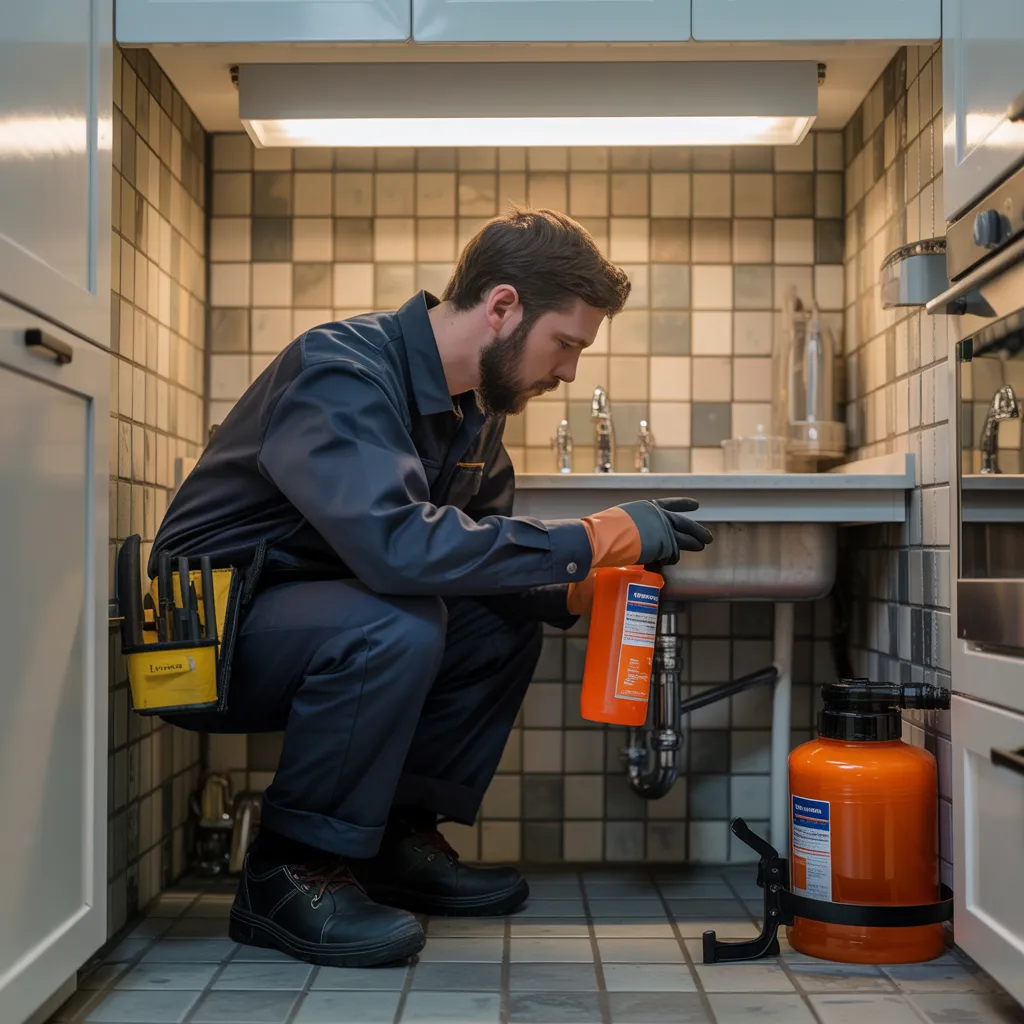
What Results in Drain Clogs and How to Resolve Them?
Blocked drains can interrupt everyday activities and result in expensive repairs when left unattended. Various factors contribute to this common issue. Collection of hair strands, soap deposits, food remnants, and fatty substances commonly produces obstructions in sink drains. Additionally, foreign objects, such as toys or toiletries, can exacerbate the problem, especially in household drains. Plant roots invading subterranean conduits can likewise result in considerable clogging.
To fix clogged drains, homeowners should first of all identify the cause. Simple tools such as plungers or drain snakes may suffice for simple clogs. Nonetheless, persistent problems may necessitate professional intervention. Drain cleaning services employ advanced methods, such as hydro-jetting and camera inspections, to effectively clear blockages and assess the condition of pipes. Regular maintenance, including regular inspections and proper disposal practices, is critical in preventing future clogs and ensuring efficient drainage throughout the home.
DIY Drain Cleaning Techniques That Work
Homeowners can effectively tackle minor drain blockages with some basic DIY techniques. A common technique includes using a blend of baking soda and vinegar. This combination can assist in break down minor clogs by creating a fizzing reaction, which removes debris. Put a cup of baking soda followed by a cup of vinegar down into the drain, allow it to work for about 30 minutes, and then flush with hot water.
Another effective technique is using a plunger. By creating a vacuum seal around the drain, plungers can dislodge stubborn blockages. Homeowners should guarantee there's enough water in the sink to cover the plunger's cup for peak effectiveness.
For continued maintenance, a once-a-month application of hot water can assist in eliminate grease buildup. Furthermore, using a drain snake can clear hair and gunk from the pipe's surface. These practices can ensure your drains working smoothly without needing professional intervention.
DIY Not Working? When to Contact a Professional?
If DIY techniques fail to resolve recurring clogs, this can indicate a more serious plumbing issue that necessitates professional help. Several blockages often signal systemic issues within the drainage system, while urgent emergencies require immediate action to stop further damage. In these scenarios, obtaining expert support becomes necessary for reliable and lasting solutions.
Chronic Clogs Need Specialist Knowledge
Numerous ongoing clogs can turn into a source of frustration, particularly when DIY attempts fail to resolve the issue. Homeowners frequently underestimate the sophistication of plumbing systems, causing ineffective solutions or even damage. When simple tools and approaches fail to produce results, it is advisable to seek professional support. Experts possess specialized equipment and expertise to precisely diagnose and address the root cause of the clog. They can pinpoint underlying issues that may not be noticeable, such as tree root penetration or damaged pipes. Additionally, professionals can implement modern techniques like hydro jetting, guaranteeing a thorough and lasting solution. Ultimately, calling in an expert can save time, prevent more complications, and restore tranquility.
Several Blockages Signal Problems
Although a single blockage can often be resolved with basic tools, multiple blockages throughout a home's plumbing system may point to deeper, systemic issues. When homeowners face multiple clogs, it is vital to recognize that these may indicate problems such as tree root intrusion, pipe corrosion, or a malfunctioning sewer line. Seeking to resolve these issues with DIY methods may yield only temporary relief and could worsen the situation. In such cases, professional drain cleaning services are necessary. Experts possess specialized equipment and expertise to diagnose the underlying cause of the blockages and implement effective solutions. Recognizing the limits of DIY efforts is significant; timely intervention by professionals can avoid further damage and costly repairs down the line.
Urgent Emergencies Require Prompt Response
Plumbing emergencies that are time-sensitive can escalate quickly, demanding immediate action. When DIY methods prove unsuccessful, the risks of additional harm or safety risks increase. Homeowners might encounter ongoing obstructions, backed-up toilets, or ruptured pipes—issues that require professional intervention. Recognizing the signs of an emergency is crucial; delays can cause extensive property damage or costly repairs.
Experts have specialized tools and knowledge to diagnose and resolve problems in a timely manner. They can also identify underlying issues that might not be apparent to the untrained eye. Ultimately, knowing when to call a plumber can save time, money, and stress, ensuring that plumbing emergencies are dealt with quickly and efficiently. Opting for professional help in urgent situations is essential for maintaining a safe household.
Categories of Drain Cleaning Services
When residents deal with persistent clogs or drainage issues, several kinds of drain cleaning services can effectively address these problems. One common method is snaking, which involves using a flexible auger to break up blockages in pipes. Hydro material jetting represents another sophisticated method that uses high-pressure water streams to eliminate stubborn debris and accumulated grease. For more severe cases, video camera inspections help professionals to identify the exact location and nature of the clog, guaranteeing targeted solutions. Chemical drain cleaners are sometimes utilized for minor blockages, though they should be used with caution due to potential pipe damage. Additionally, rooter services focus specifically on removing tree roots that infiltrate drainage systems. All of these services present distinct advantages, allowing homeowners to select the most appropriate method based on the severity and nature of their drainage issues. Finally, timely intervention can restore proper functionality and prevent further complications.
Expense Factors for Drain Cleaning Services
Various factors shape the cost of drain cleaning services, making it vital for homeowners to comprehend these variables before seeking assistance. To begin with, the type of blockage plays a substantial role; minor clogs typically require less time and fewer resources, while substantial blockages may necessitate advanced equipment and techniques, driving up costs.
Furthermore, the placement of the clog impacts pricing; drains deep within plumbing systems or in hard-to-reach areas can lead to higher fees.
The expertise and professional background of service providers further result in cost variations, as well-established firms typically command higher rates as a result of their established reputation and history.
Finally, location can influence costs, with urban areas generally having elevated prices compared to rural areas. Understanding these variables can help homeowners make educated choices when selecting drain cleaning companies.
Preventative Steps to Maintain Your Drains Clear
Understanding the expenses associated with drain cleaning services is valuable, but homeowners can also take preventative steps to avoid clogs before they become expensive issues. Regular maintenance is crucial; routine inspections can pinpoint potential problems early. Homeowners should avoid pouring grease, oil, or food scraps down kitchen sinks, as these substances can solidify and cause blockages. In bathrooms, using drain guards can trap hair and soap residue, greatly reducing buildup.
In addition, running drains with hot water on a weekly basis can aid in dissolving minor clogs. Homeowners may also consider using natural cleaners, such as baking soda and vinegar, to maintain clear pipes without toxic chemicals. Seasonal maintenance, including removing debris from outdoor drains, can prevent backups during heavy rainfall. By applying these proactive measures, homeowners can ensure their plumbing systems remain working properly, eventually saving time and money on emergency drain cleaning services.
Popular Questions
What's the Recommended Frequency for Professional Drain Cleaning?
Specialists advise having drains professionally cleaned every 1-2 years, depending on use and possible problems. Regular maintenance helps prevent clogs, guarantees efficient drainage, and prolongs the lifespan of your pipes.
Are Chemical Drain Cleaners Safe for All Types of Pipes?
Chemical drain cleaning products aren't suitable for every type of pipe. These products may harm aging pipes, PVC materials, or metal plumbing systems. Consulting a professional is recommended to identify the most appropriate cleaning approach for your particular plumbing requirements.
Which Signs Point to a More Severe Plumbing Issue?
Indicators of a more serious plumbing problem include persistent clogs, slow drains, odd noises coming from pipes, water backups, and visible leaks. These indicators often point to deeper concerns requiring professional assessment and repair to avoid further damage.
Is It Possible to Prevent Future Clogs Through Regular Maintenance?
Regular maintenance can greatly reduce the possibility of future clogs. By planning routine cleanings and inspections, you can detect potential issues early, providing smoother drainage and enhancing the life of plumbing systems.
Do Drain Cleaning Companies Provide Warranties or Guarantees?
Many drain cleaning providers do feature warranties and guarantees, providing customers with confidence concerning the quality of their work. These protections often vary by business, so examining individual terms is suggested for satisfaction and clarity.